Category: Destinations

  • The Hanging Glacier – Queulat National Park

    The Hanging Glacier – Queulat National Park

    Queulat National Park is one of the true gems of Chile’s Carretera Austral. Here, nature unfolds in its most pristine form: lush temperate rainforest, rushing rivers, moss-covered trees – and, as the grand highlight, the Ventisquero Colgante, or Hanging Glacier, dramatically suspended high above a sheer rock wall. From its icy edge, meltwater thunders down in spectacular waterfalls into the valley below.

    The Hike to the Viewpoint

    The trail begins at the park’s visitor center and leads through dense, mystical forest. The path is well-marked, though sometimes root-covered and rocky – good footwear is highly recommended. The moderate hike takes about 1.5 to 2 hours one way, gradually ascending to a viewpoint that offers a breathtaking panorama: the hanging glacier, the deep green valley, the turquoise glacial lake, and cascading waterfalls.

    Depending on the weather, the glacier may be veiled in mist, lending it an almost mythical quality – or it might appear in full splendor, with deep crevasses and torrents of water roaring into the void.

    What to Bring:

    • Water and a small snack
    • A rain jacket – the weather can change quickly
    • Sturdy hiking shoes

    Tip: For an easier option, there’s a shorter walk that leads to the shore of the glacial lake – a peaceful spot with a more distant, but still stunning, view of the glacier.

    On our Carretera Austral Tour or Full Patagonia Tour, you should definitely stop here. You have to pay for the entrance fee online. It is best to do this in advance, as mobile reception in the area is poor. There are several campsites near the national park, where you can stay overnight. If you want to relax after the hike, we recommend a visit to the Ventisquero thermal baths. If you prefer something more luxurious, the Puyuhuapi thermal baths are a must.
  • San Rafael Glacier Full-Day Expedition

    San Rafael Glacier Full-Day Expedition

    This adventure is a highly recommended option on our Carratera Austral or Full Patagonia trip. If you make one of our self-guided tours and have enough time, you shouldn’t miss this unique experience. A miracle of nature – A Journey to one of Patagonia’s Last Great Ice Frontiers.

    Duration: ~10–12 hours total (approx. 2.5–3h motorcycle ride each way + 5–6h boat tour)

    This unforgettable day begins early in Puerto Río Tranquilo, where you set off either with your own motorcycle or as a passenger in a transfer vehicle arranged by the tour operator. The route follows the stunning and remote Ruta X-728, a gravel road that winds deep into the Valle Glaciares — one of Patagonia’s most pristine and dramatic landscapes.

    You’ll ride alongside Lago Tranquilo, through lush forests and pastures framed by snowcapped peaks. The road continues along the Río Norte, and as you climb gradually toward the Andean divide, the valley widens and the views become ever more spectacular. You’ll pass Lago Bayo, its still waters mirroring the mountains around it, and stop at the Mirador Glaciar Exploradores, a panoramic viewpoint overlooking the Exploradores Glacier — a teaser of the ice to come.

    The final stretch follows the Río Exploradores, a glacial river flanked by ancient forests and towering peaks, leading to Puerto Grosse, a tiny outpost at the edge of the Patagonian fjords. Here, you’ll board a boat for the next phase of the expedition.

    Boat Tour to Laguna San Rafael

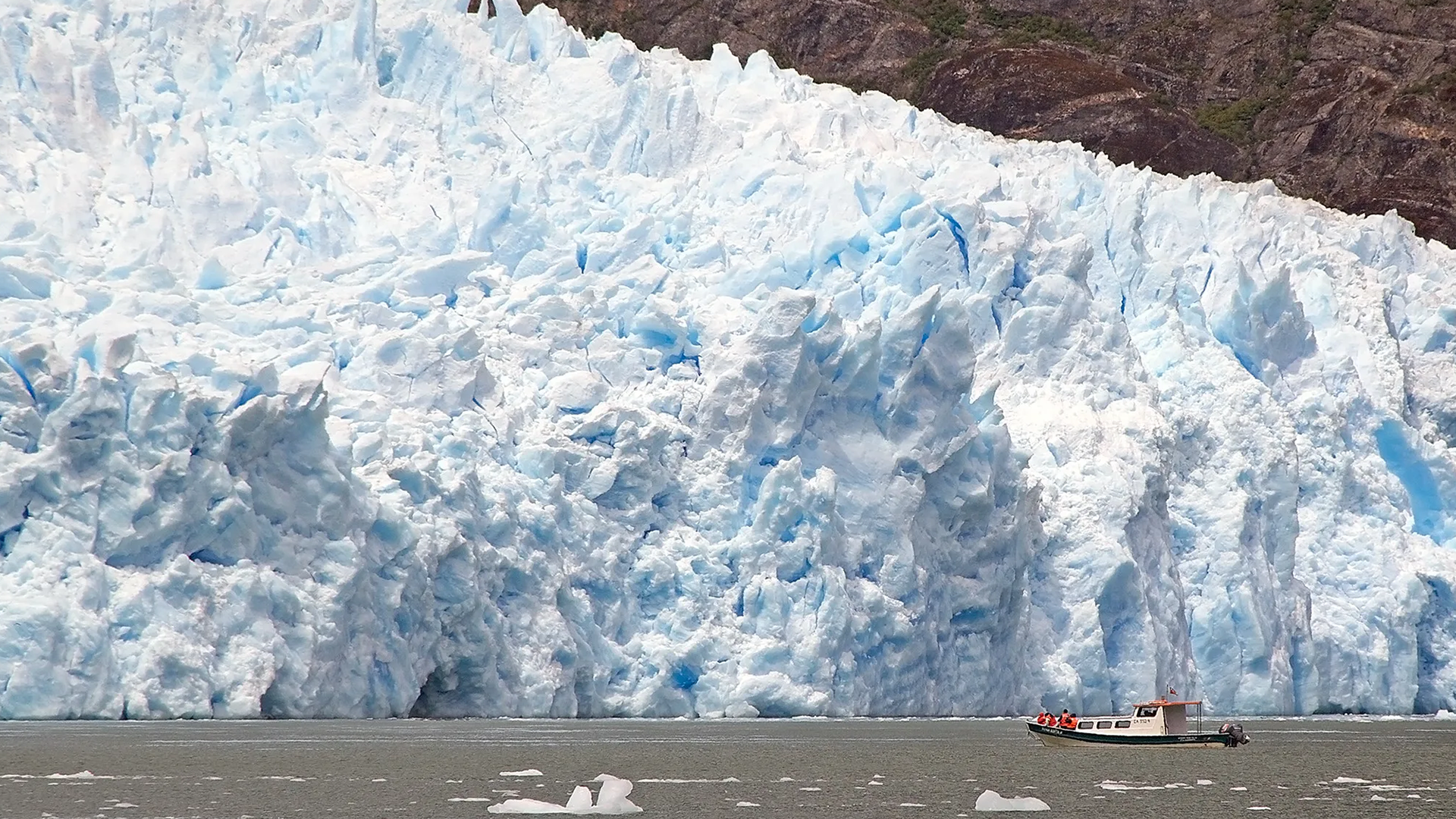
    Once aboard, the journey takes you down narrow channels surrounded by untouched wilderness. The highlight awaits at Laguna San Rafael, where you approach the massive San Rafael Glacier, one of the last tidewater glaciers in the world still actively calving into a lagoon.

    Icebergs float silently in the water, and if you’re lucky, you’ll witness the thunderous spectacle of ice breaking from the glacier’s 70-meter face and crashing into the lagoon. Many tours include a glass of whisky served with ancient glacier ice — a classic Patagonian toast to the adventure.

    Highlights:

    • Remote and scenic motorcycle ride along Ruta X-728
    • Lago Bayo and Glaciar Exploradores Viewpoint
    • Spectacular boat ride through fjords and ice-filled waters
    • Close-up view of the San Rafael Glacier
    • Wildlife sightings: dolphins, sea lions, birds — and possibly condors

    Warnings & Considerations:

    • Ruta X-728 is gravel, often rough with potholes and narrow bridges — ride carefully
    • Weather conditions can be unpredictable; tours may be canceled due to wind or visibility
    • Dress warmly and bring waterproof layers — even on sunny days, the boat ride can be cold and wet
    • Book the tour at least one day in advance; space is limited, especially in high season

    Tip: Even if you ride your own motorcycle to Puerto Grosse, it’s best to coordinate with a tour operator based in Puerto Río Tranquilo for the boat portion. Some tours offer package deals with transfers, meals, and safety gear included.

    See more details on the the Tour operators Webpage: 99%Aventura

  • Torres del Paine

    Torres del Paine

    Chile’s Crown Jewel of Patagonia. There are landscapes that take your breath away — and then there’s Torres del Paine.

    A jagged skyline of granite towers, electric-blue glaciers, and wild windswept steppe, Torres del Paine National Park in Chilean Patagonia is not just a destination — it’s a force of nature. Whether you arrive by motorcycle, overland truck, or trekking boot, the park stuns the senses and stays with you long after the dust has settled.

    Getting There – A Ride Through the Wild

    Most travelers base themselves in Puerto Natales, a laid-back frontier town roughly 80 km south of the park gates. For motorcyclists coming down from El Calafate or up from Punta Arenas, Puerto Natales offers a welcome break — fuel, food, and a few creature comforts before heading into the wilderness.

    From there, a scenic ride on Ruta 9 and gravel backroads brings you to the entrance of Torres del Paine. Be prepared for strong winds, roaming guanacos, and the occasional puma (though sightings are rare).

    Why You’ll Never Forget This Place

    The Towers Themselves – The iconic “Torres” (Towers) are three needle-like granite spires that soar nearly 3,000 meters high. Visible from many parts of the park, they’re best seen from the famous Mirador Base de las Torres — a full-day hike for those who want to stretch their legs.

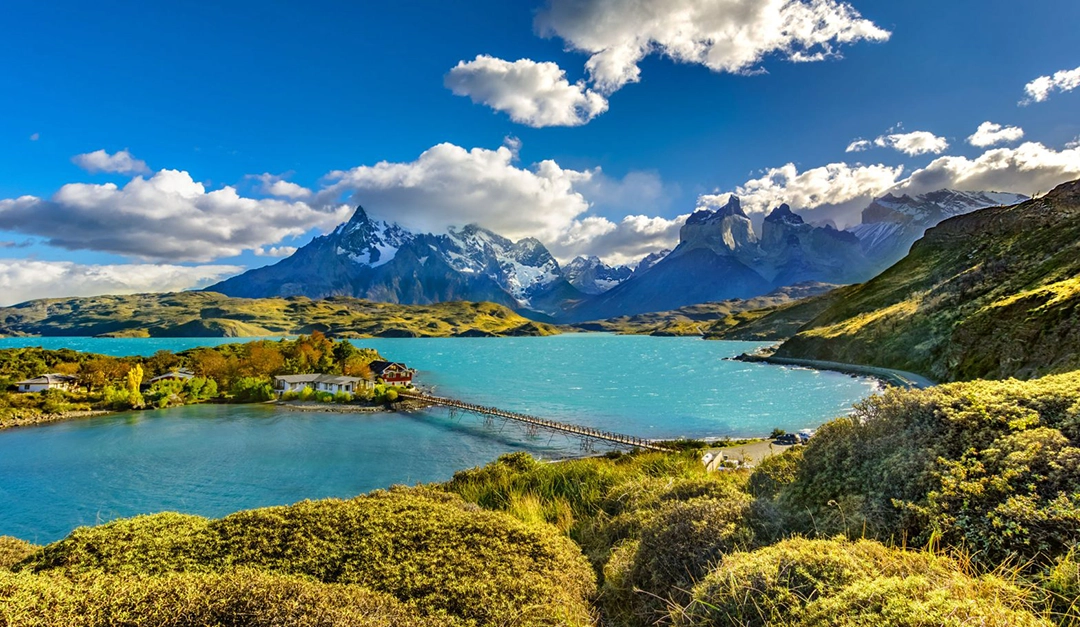
    Lakes of Unreal Color – Glacial sediment turns lakes like Lago Pehoé and Lago Nordenskjöld into surreal shades of turquoise and cobalt blue.

    Grey Glacier – Part of the massive Southern Patagonian Ice Field, this dynamic glacier feeds into Lago Grey and is accessible via boat tours or short treks. Watch icebergs drift and groan in the wind.

    Wildlife – Torres del Paine is home to guanacos, foxes, flamingos, condors, and (if you’re lucky) the elusive puma. Bring binoculars and your camera.

    For Motorcyclists

    Explore Patagonia on two wheels; our Motorcycle tour “The Full Patagonia Experience” takes you to this unforgettable place. While motorcycles aren’t allowed deep inside the hiking trails, you can ride through much of the park’s perimeter and take in spectacular viewpoints. Roads within the park are mostly gravel (some rough), but manageable in dry weather. Expect jaw-dropping scenery around every bend.

    Best spots accessible by motorcycle:

    • Mirador Lago Pehoé (sunsets here are legendary)
    • Lago Grey beach and glacier viewpoint
    • Salto Grande waterfall
    • Laguna Azul (remote, east side of the park)

    How to Visit

    • Entrance fee: Approx. $35–$40 USD per person (valid for 3 consecutive days)
    • When to go: Best from November to March, with January–February being high season. Be prepared for all seasons in one day.
    • Stay: Options range from high-end eco-lodges (explora, Tierra Patagonia) to rustic campsites and mountain refugios. Book in advance in peak season.
    • Fuel up: No fuel inside the park — fill your tank in Puerto Natales!

    What to Know Before You Go

    • WIND IS REAL. Hold onto your bike (literally) — Patagonian wind can reach 100 km/h or more.
    • Weather changes quickly — Pack layers, rain gear, and extra snacks.
    • No cell signal in most areas — offline maps and GPS recommended.

    Final Thoughts

    Torres del Paine isn’t just another stop on a Patagonian road trip — it’s the kind of place that humbles you, inspires you, and calls you back. Whether you hike to the base of the towers or simply ride along the edge of Lago Pehoé at golden hour, the memory of this place becomes a part of your story.

    It’s not about conquering the landscape — it’s about letting it move you.